
Schuyler County Arrest Log Sources
The Sheriff and Corrections pages publish no official 72-hour, seven-day, or weekly arrest log. Nothing of that kind exists at the county level. For multi-day coverage, two news outlets fill the gap: FingerLakes1's police beat and the Finger Lakes Daily News police blotter. Both are newsrooms, not custody systems.
FingerLakes1 posts dated staff stories covering Watkins Glen, Montour Falls, Odessa, and nearby towns. Many are built on Schuyler County Sheriff releases. Finger Lakes Daily News runs a regional blotter and removes police reports from its site after 90 days. Neither promises a complete county list, a fixed schedule, or a standard booking-photo field. Expect gaps.
The FingerLakes1 Schuyler page provides a county-focused view of its coverage.
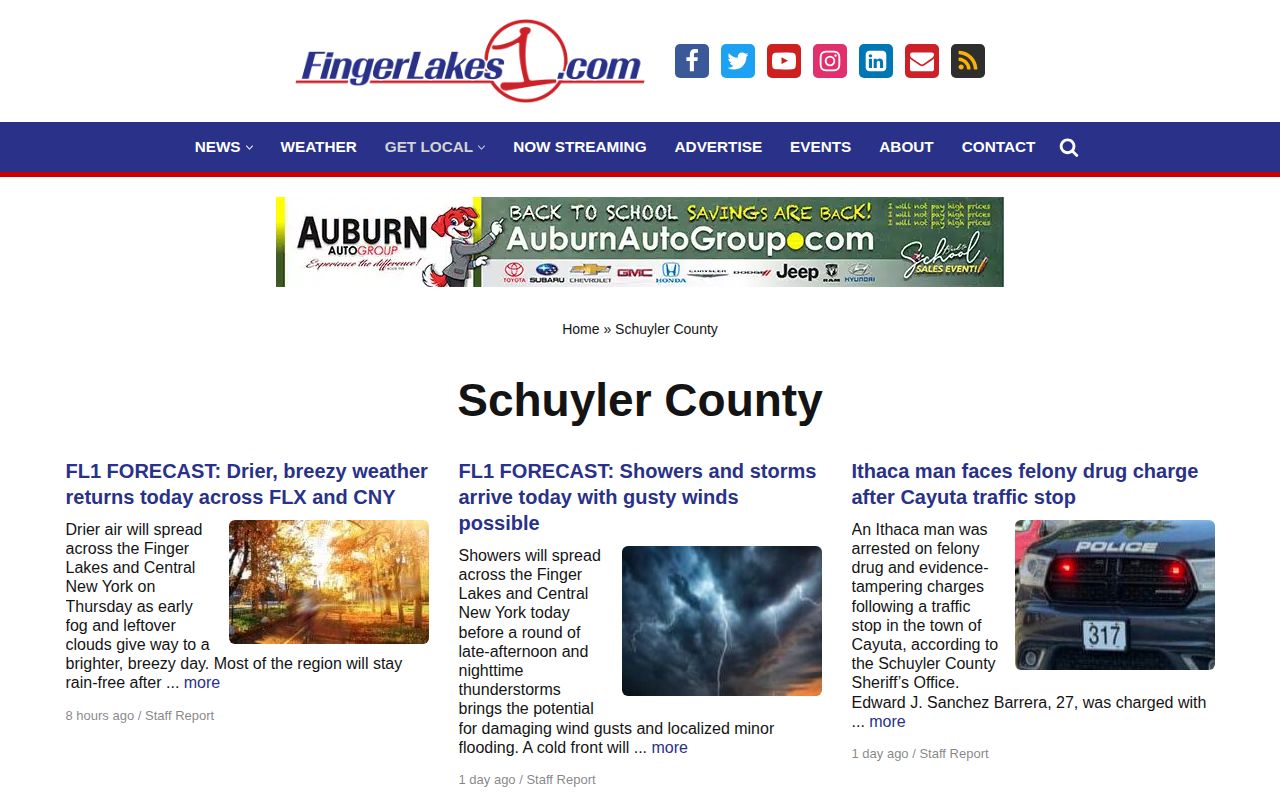
What this news index shows is coverage, not an official Schuyler County jail roster.
Reading the Schuyler County Blotter
Start with the newest dated post. Work backward from there. Keep four clocks separate, though: agency release time, publication time, arrest time, and booking time. A headline may carry the publication date even when the arrest happened days earlier.
- Search the outlet’s Schuyler or police-beat section by place, person, and a narrow date range.
- Open the full story and note the named reporting agency, incident or arrest date, alleged charge, and stated custody or court step.
- Check a second dated outlet when details conflict or the first story lacks agency attribution.
- Ask the arresting agency for its report and the Sheriff Records Division for an existing county booking record.
- Use New York court sources for the later disposition rather than treating the news report as final.
Need something that may have happened today? The 24 Hour Arrests guide lays out the faster same-day contact chain.
Fields in Local Arrest Reports
Local stories run on narrative, not a fixed jail schema. One arrest report may name a charge; the next may skip it. Treat the table as typical news content rather than guaranteed county record fields.
| News field | How to interpret it |
|---|---|
| Name | A reported identity that still requires care with similar names. |
| Incident or arrest date | The stated event date, which may differ from publication and booking dates. |
| Agency attribution | The Sheriff, police, or state agency that supplied or handled the report. |
| Alleged charge | The charge reported at that stage, not a conviction. |
| Arraignment or release | A procedural update that can change after publication. |
| Image | Often a generic police graphic or supplied scene image, not a county mugshot. |
No local outlet supplies a booking ID, certified disposition, or live custody confirmation for Schuyler County.
Weekend Schuyler County Reporting Gaps
The county publishes no blotter, so it keeps no weekend or holiday schedule either. Newsrooms post when an agency release arrives and when staff can process it. A burst of posts together might mean catch-up work, separate agencies, or incidents from different days. Silence is not evidence of anything. A quiet news day does not mean nobody was arrested in Schuyler County. A busy one does not prove crime spiked. For present county-jail custody, call the Sheriff. For a past event, request the agency record. For what happened after arraignment, use the courts.
Note: News publication patterns measure what reached an outlet, not every arrest made or every person booked into county custody.
Schuyler Arrest Archives Beyond the Web
Finger Lakes Daily News drops police reports after 90 days. That policy says nothing about county retention. New York's local-government schedule actually lists a prisoner master summary record with daily commitments and discharges. That record is set for permanent retention. Prisoner data and case files stay on file for long periods the schedule spells out. The custodian must pinpoint which item governs a specific record, though.
Old-record searches start with the Sheriff Records Division. Give a name, a date range, and the agency. Add a booking number if known, plus the exact item sought. Ask where the file sits now. It may still be with the agency. It may have moved into county records management, or been disposed of under an approved schedule. Court records, not the jail archive, answer what happened in the case itself.
The New York State Library newspaper inventory lists older Schuyler-area titles. It also names the repositories that hold them.
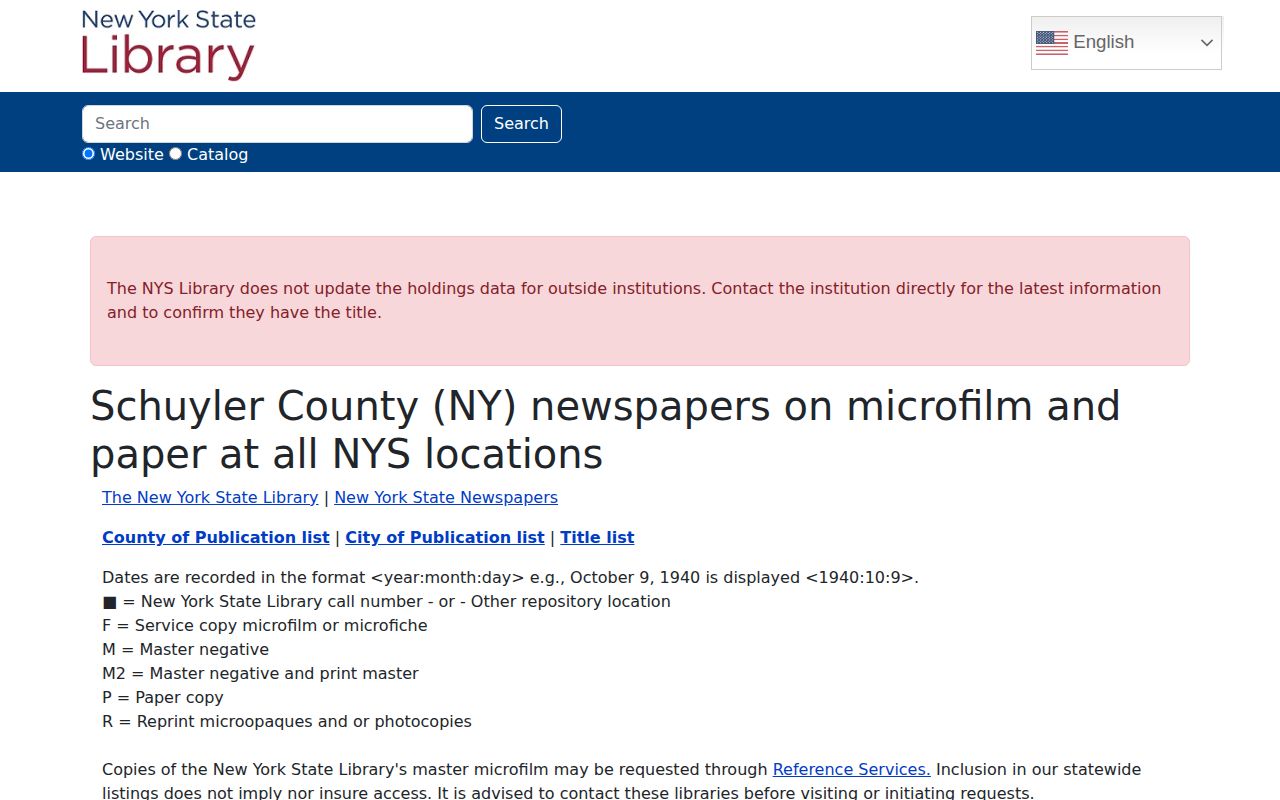
That route can recover historical Schuyler County reporting that no longer sits on any current news site.
Local News Is Not a Jail Roster
The Finger Lakes Daily News blotter earns its place here. It carries Schuyler stories regularly. It often names the agency, the charge, and the arraignment or release step. Still, its images are not a standardized booking-photo stream. Its regional mix never amounts to a full account of Schuyler County Jail admissions.

The outlet's recurring news format is clear to see. An official record must still come first.
The Odessa File adds local government and Sheriff context but offers no dedicated arrest-feed URL. Schuyler Now runs scanner and blotter features. A scanner card proves no arrest, charge, or booking. Use either site as a lead only, then confirm with the agency.
Schuyler County Arrest Trend Context
County public-safety committee reports count differently. Reports for January through April 2026 list 38, 19, 42, and 28 arrests. That totals 127 across the four monthly reports. These are aggregates tied to stated periods, not named arrest-log entries and not a full-year trend. Consult the county committee report for public-safety totals. Never mix those figures with news-story counts. The two measure different things, and missing articles cannot be counted as missing arrests.
From Arrest Report to Court Result
A blotter freezes the story at publication. Charges can be amended, dismissed, resolved by plea, tried, or sealed later. Any statement about remand or release is also time-specific and may not reflect current custody in Schuyler County.
Want a definitive outcome? Request a certificate of disposition from the court that handled the case. Corrected or sealed matters deserve extra care, since an older news page can outlive the official status.